Hot Water Troubles? Signs Your System Needs Repairs or ReplacementWritten on the 30 January 2026
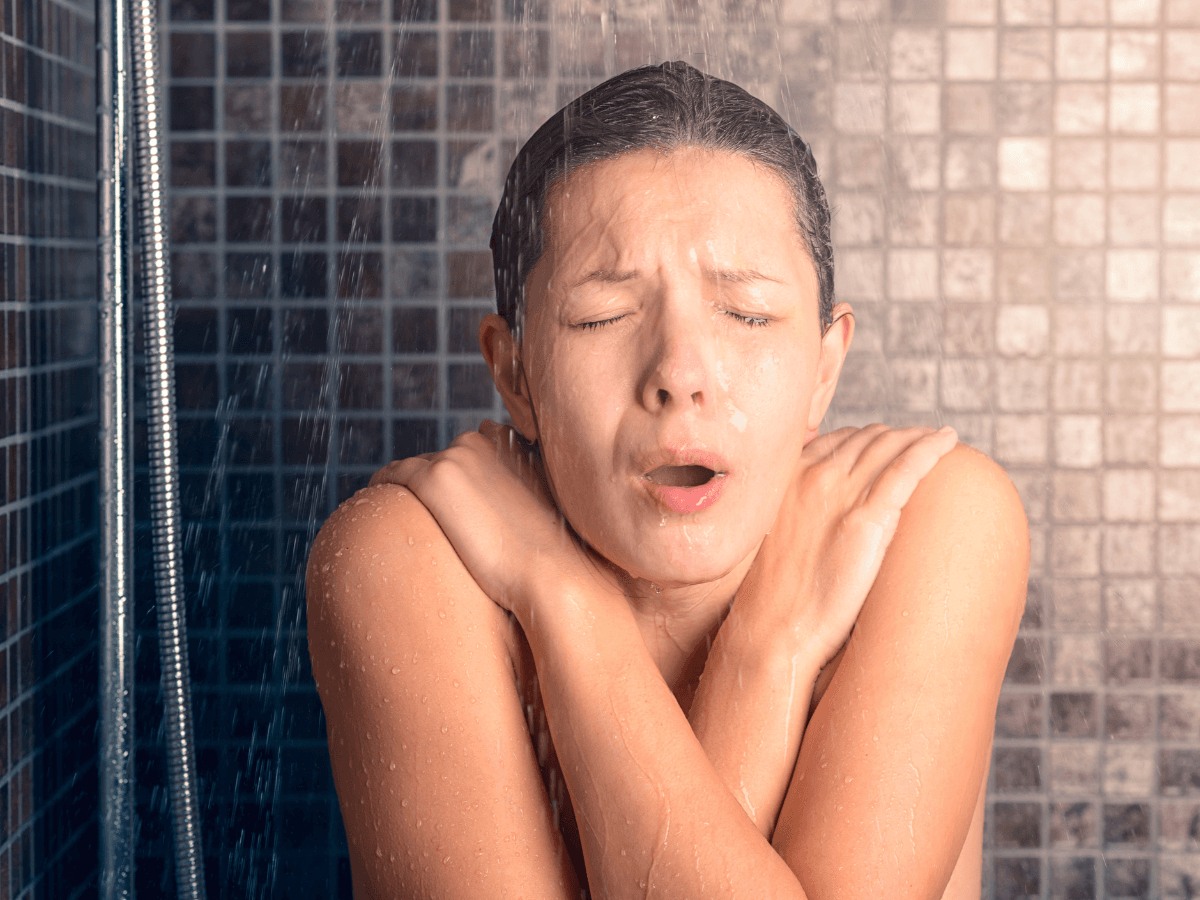
Nothing ruins a morning quite like stepping into the shower, expecting a warm embrace, and getting hit with an icy blast instead. We rely on our hot water systems every single day for showers, washing dishes, and laundry. Yet, most of us rarely give that big metal tank a second thought—until it stops working. Hot water systems are the unsung heroes of the Aussie home. They work tirelessly in the background, but like any appliance, they have a lifespan. Recognising the early warning signs can save you from the shock of a cold shower and the stress of an emergency plumbing bill. Is your system just having a bad day, or is it time to send it to the scrap heap? Here is how to spot the difference between a simple repair job and a full replacement. The Cold Shower Surprise: Inconsistent Water Temperature One day it’s scalding, the next it’s lukewarm. If your water temperature is fluctuating wildly, your system is trying to tell you something. Inconsistent temperatures often point to a failing thermostat. This is the brain of your hot water unit, telling the heating element when to kick in and when to stop. If the thermostat is faulty, the element might not heat the water enough, or worse, it might overheat it, which can be dangerous for your family. Repair or Replace? Things That Go Bump in the Night: Strange Noises Hot water systems should be seen and felt, not heard. If you start hearing rumbling, popping, or banging noises coming from your tank, pay attention. These sounds are often caused by sediment build-up at the bottom of the tank. Over time, minerals in our water supply settle and harden. As the water heats up, it has to bubble through this layer of sediment, creating those ominous popping sounds. This layer of grit makes your system work harder, which uses more energy and can overheat the tank, leading to cracks. Repair or Replace? The puddle Problem: Leaks Around the Unit Water pooling around the base of your hot water system is never a good sign. It’s important to identify exactly where the water is coming from. If the water is dripping from a valve, like the pressure relief valve, it might just need a simple washer replacement or a new valve. These are safety devices designed to release pressure, and sometimes they just get a bit tired. However, if the leak is coming from the body of the tank itself, you have a bigger problem. Steel tanks corrode over time. Once the structural integrity of the tank is compromised and it starts leaking, there is no patching it up. Repair or Replace? Not Quite Clear: Rusty or Discoloured Water Turn on the hot tap and fill a clear glass. Is the water crystal clear, or does it have a reddish-brown tint? Does it smell metallic? If the water is rusty only when you use the hot tap (and the cold water is clear), the inside of your hot water tank is likely rusting away. Most systems have a "sacrificial anode"—a metal rod inside the tank designed to attract rust so the tank doesn't. If this anode isn't replaced every few years, the rust attacks the tank instead. Repair or Replace? The Age Factor: How Old is Your System? Sometimes, there isn't one specific catastrophic failure, but rather a general decline in performance. If your hot water system is more than 10 to 15 years old, it is living on borrowed time. Older units are significantly less energy-efficient than modern models. You might be paying for repairs just to keep an energy-guzzling dinosaur running. Repair or Replace? Hot Water Troubles? Don't DIY It Dealing with hot water systems involves electricity, gas, and scalding water—a dangerous combination for an amateur handyman. In Australia, specific regulations require a licensed professional to handle these repairs to ensure your home insurance remains valid and your family stays safe. At Plumbs Up Plumbing, we know how vital hot water is to your daily routine. Whether it’s a quick thermostat fix, a valve replacement, or installing a brand-new, high-efficiency system, our team has the expertise to get your hot water flowing again. Don't settle for lukewarm showers or risk a flooded laundry. If you’ve noticed any of these signs, give us a call today. Need help with your hot water? Contact Plumbs Up Plumbing now to book an inspection or get a quote on a new system. |